GUIDE
Balos or Elafonisi? How to choose
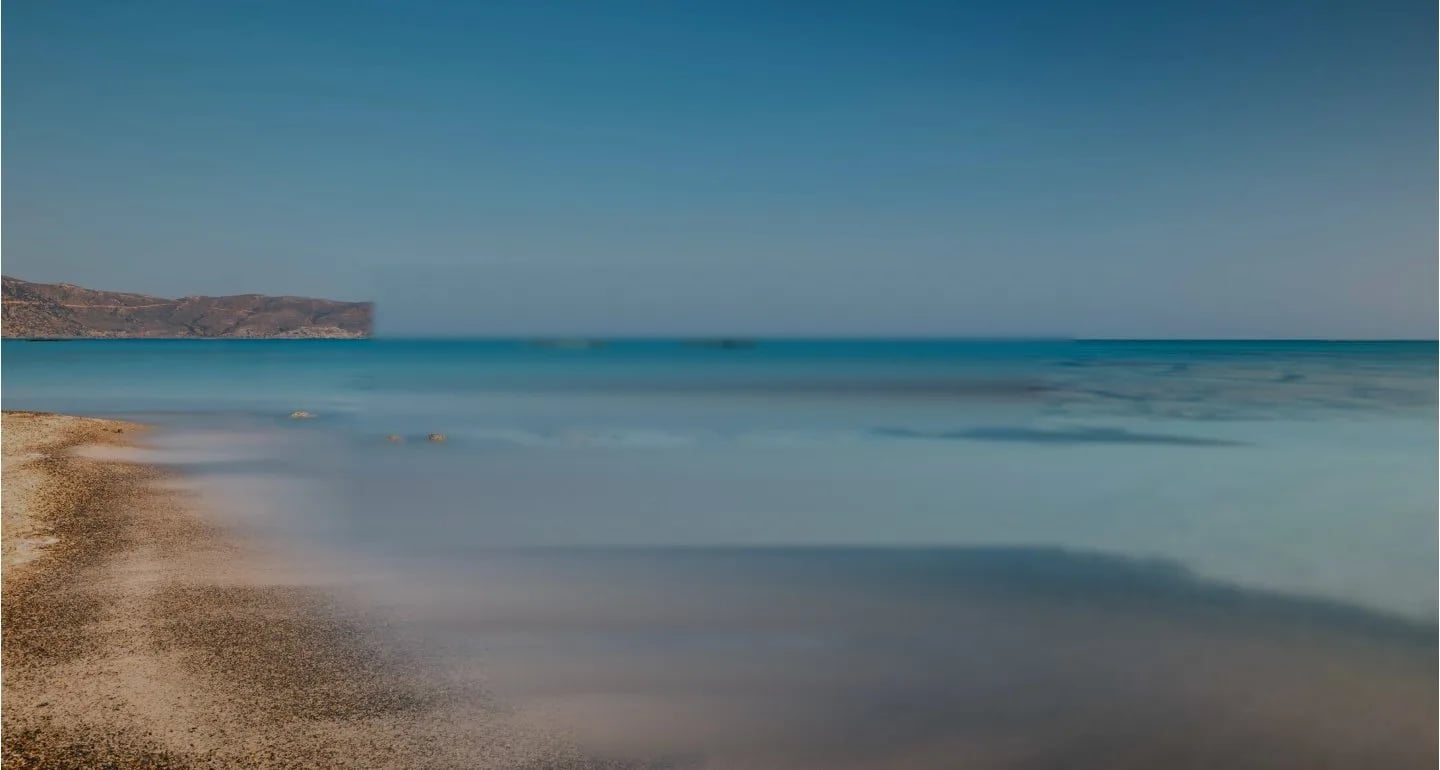
Both are shallow, turquoise lagoons in west Crete, and both are famous. They differ in how you get there, how hard the day is and who they suit. Here is how to pick.
Mountain roads, dirt tracks to beaches, goats on the bends and busy summer parking. A local, practical guide to driving around the island without stress.
A main road runs along the north coast, linking Chania, Rethymno, Heraklion and Agios Nikolaos. It's the fastest way across the island, but parts of it are busy and some sections are narrow for the traffic they carry.
Roads to the south coast and into the mountains are a different world: winding, often narrow, and with long climbs and descents. Journeys take much longer than the distance on the map suggests, so plan by time rather than kilometres.
| Road | What to expect | Tip |
|---|---|---|
| North coast road | Fastest, can be busy | Keep your distance |
| Mountain roads | Winding, narrow, slow | Allow extra time |
| Village streets | Very narrow | Park outside and walk |
| Dirt roads | Bumpy, dusty | Check your rental cover |
On the main road you'll notice slower cars moving onto the hard shoulder to let faster ones pass. It's common, but only do it when the shoulder is clear and you can see well ahead. On mountain roads, sound your horn gently before blind bends, and expect to meet goats, tractors and buses coming the other way.
Local tip
Don't follow your navigation app blindly into tiny village lanes or onto unpaved shortcuts. If a road looks wrong, it probably is: turn back and stay on the main route.
Some of the most famous beaches, Balos among them, are reached by long dirt roads. Most cars manage them slowly in dry weather, but they are bumpy and dusty, and many rental agreements don't cover damage off asphalt. Check your cover before you go, or take a boat or an organised trip instead.
See: Balos Lagoon
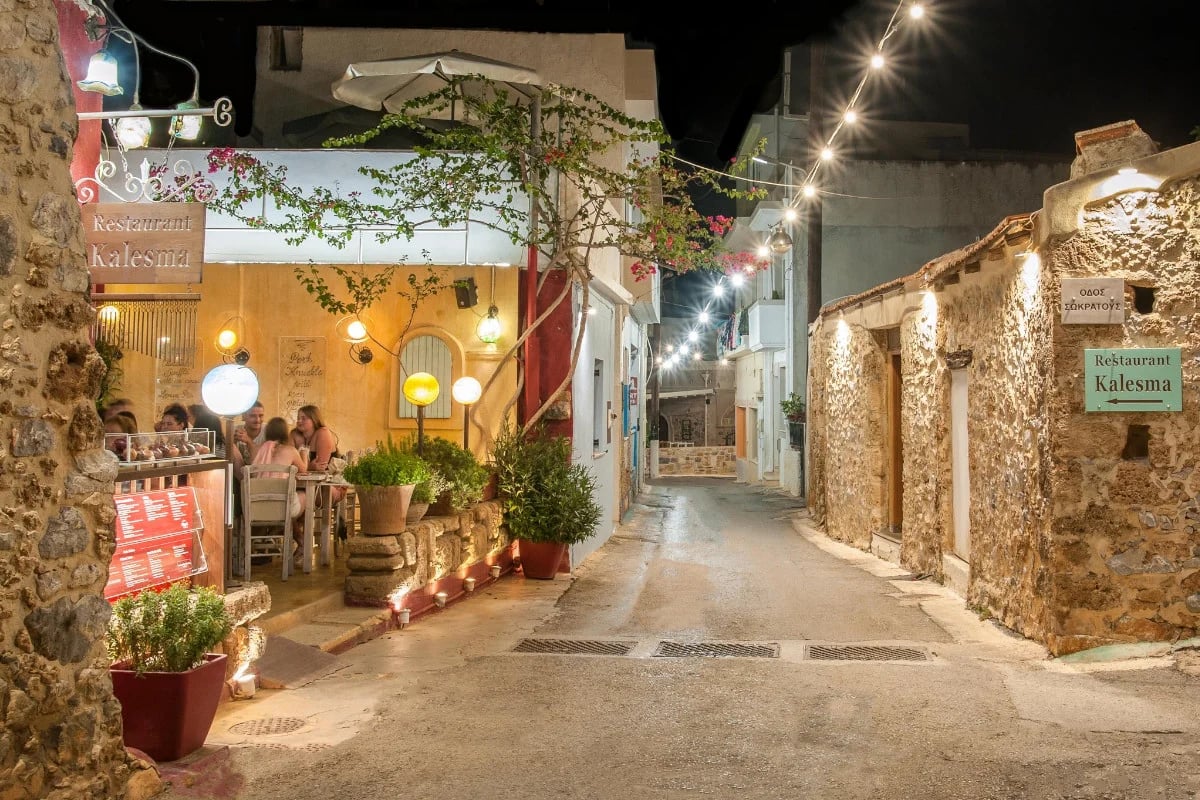
Old towns like Chania and Rethymno have narrow streets and very little parking inside them. Use the car parks on the edge of the old town and walk in. At popular beaches in summer, car parks fill up by late morning, which is one more reason to start early.
Crete's roads ask for patience more than skill. Drive at a speed that lets you stop before the next bend, keep well back from the car in front, and expect the unexpected: a car parked on a curve, a slow tractor, or a herd crossing. Distances feel short on the map but are tiring on mountain roads, so take breaks on long drives.
Seatbelts are compulsory for everyone in the car, and drink-driving is taken seriously. If something goes wrong, 112 is the European emergency number and works across Greece.
Local tip
If you're tired or unsure of a road at night, wait until morning. Many mountain roads have no lighting, and the views you'd miss are half the reason to drive them.
Fill up before heading into the mountains or to the south coast, where petrol stations are fewer. Check what your licence and rental agreement require before you travel, because rules differ by country and by company.
More: Samaria Gorge: what to know before you go · Balos or Elafonisi? How to choose
GUIDE
Both are shallow, turquoise lagoons in west Crete, and both are famous. They differ in how you get there, how hard the day is and who they suit. Here is how to pick.
GUIDE
A long walk down one of Europe's best-known gorges, from the White Mountains to the Libyan Sea. How the day works, how hard it is, what to bring and when it's open.